




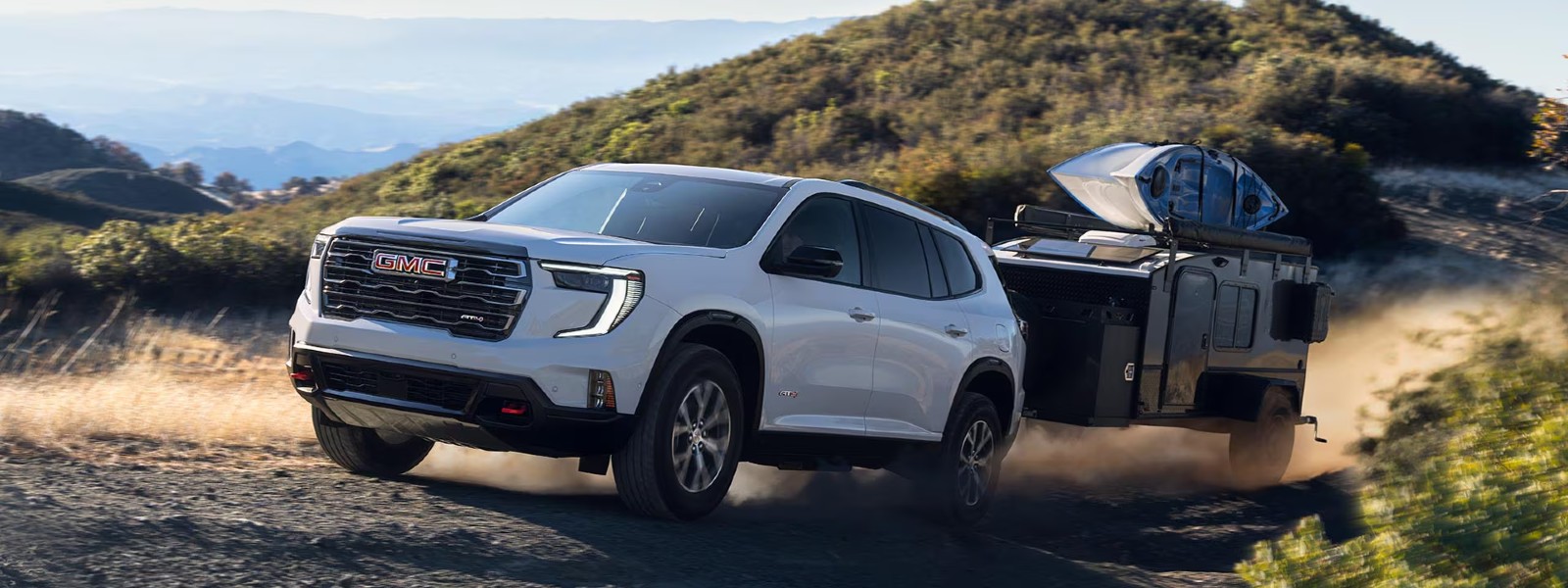
AWD vs 4WD vs 2WD
Three drivetrains, three very different jobs — here's how to tell which one actually fits how you drive.
When you first start shopping for an SUV or pickup truck, you'll have to consider more than just raw horsepower and towing capacity. The terms two-wheel drive, four-wheel drive, and all-wheel drive may seem the same to you. But they provide very different levels of control over the vehicle and work best in specific scenarios. Knowing whether you need 4WD or not, or whether you're better off with an AWD or 2WD model, will help you make the right choice the next time you're buying a new vehicle. Here's what you need to know about drivetrain options and how to choose between them.
Key Takeaways
What Is Two-Wheel Drive?
Most vehicles feature two-wheel drive as the standard drivetrain option. This usually takes the form of front-wheel drive, but can occur as rear-wheel drive instead. Only two of the wheels are powered at any time, causing the other set of wheels to spin freely and follow their lead. Front-wheel drive vehicles are highly gas efficient and easy to control, while rear-wheel drive vehicles have a little more power.
Rear-wheel drive vehicles are also easier to precisely control in slippery conditions. There's also the concern of wearing out the tires. Since front-wheel drive vehicles handle both acceleration and braking with the same set of tires, they tend to experience faster wear than rear-wheel drive vehicles. Some vehicles allow for shifting between front and rear-wheel drive modes, but most 2WD vehicles only feature one drivetrain or the other.
Front-Wheel Drive
- Highly gas efficient
- Easy to control day to day
- Faster tire wear (handles both power and braking)
Rear-Wheel Drive
- A little more power
- Easier precise control in slippery conditions
- Tire wear split across both axles
What Is All-Wheel Drive?
When a vehicle receives power to all four wheels the whole time it's driving, it's considered to have all wheel drive (AWD). This is often confused for four-wheel drive, which is only activated at certain times. Most AWD vehicles today have adaptive systems that adjust the amount of power going to each wheel, providing better traction and advanced handling in slippery conditions. Some vehicles can switch between AWD and 2WD modes for front or rear control, giving you total control over performance and handling. However, it's more common to find AWD vehicles that handle the switching for you based on automatic feedback from the road.
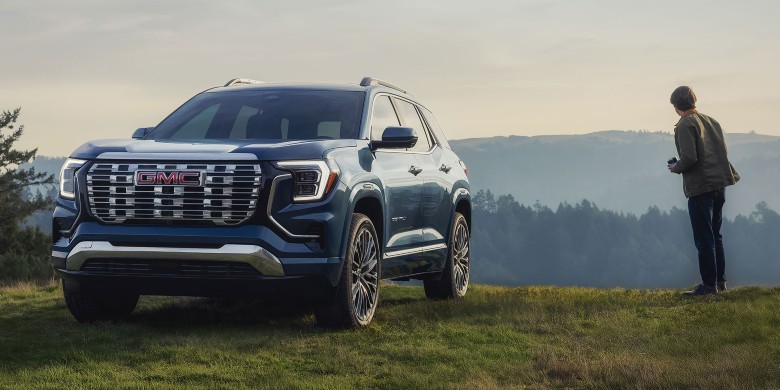
AWD vs. 2WD
The AWD drivetrain is heavier and more complex, adding to the weight of the vehicle and therefore slightly lower gas mileage and raising repair costs. However, the extra control it provides in rainy and icy conditions could also save you a lot of money on repair costs by preventing accidents. 2WD is generally sufficient if you only drive on paved roads and avoid muddy, wet, and wintry conditions. You'll save money on your daily commute due to the improved gas efficiency, but you'll lose out on the extra control and safety provided by AWD. It's largely a matter of personal choice. If you tell us a little bit about your usual driving routines and the kinds of surfaces and challenges you encounter, we can help you decide if you need the upgrade to AWD or can stay with the fuel efficiency of a 2WD vehicle from GMC.
AWD
- More control in rain and ice
- Can help prevent costly accidents
- Heavier, more complex system
- Slightly lower gas mileage
- Higher repair costs
2WD
- Better fuel efficiency
- Lower cost to buy and maintain
- Sufficient for paved-road driving
- Less control in mud, snow, or ice
What Is Four-Wheel Drive?
Don't confuse 4WD with AWD drivetrains. Four-wheel drive is a system you activate when needed to lock all four wheels, providing extra traction when climbing or moving through thick mud. Most drivers won't need 4WD in their daily routines. Rural drivers who regularly go off-road or explore dirt and gravel roads need 4WD to keep them from getting stuck. Most vehicles with 4WD offer a standard 2WD mode when they're not activated, although some are AWD vehicles instead. When purchasing a vehicle based on its four-wheel drive capacity, make sure you know what drivetrain to expect during the rest of the driving time. Being able to stick with 2WD mode for the majority of your mileage will save the most gas, letting you add extra power to all four wheels only when it's needed.
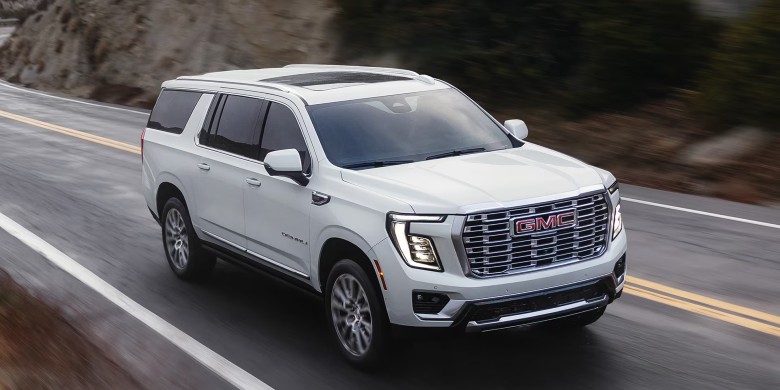
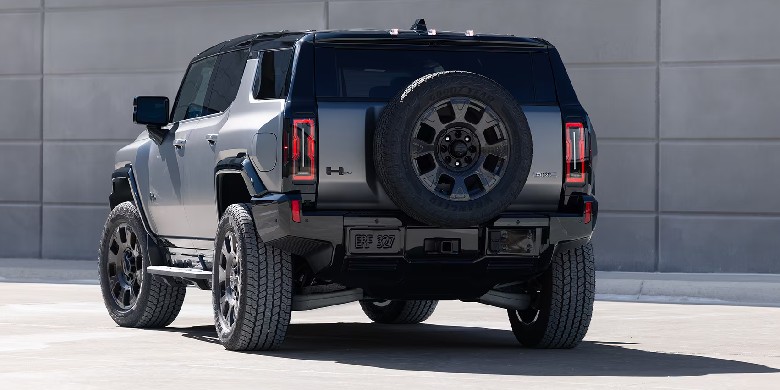
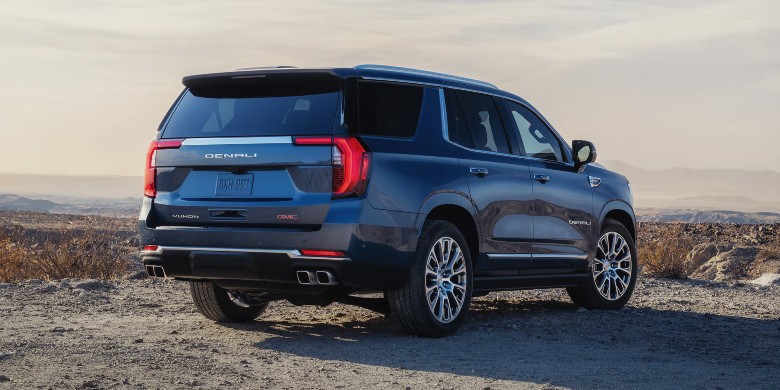
Get started on your search for an AWD or 4WD vehicle here at GMC of Madras. We carry a wide selection of trucks and SUVs equipped with these drivetrains, including the compact Terrain SUV, the electric Hummer EV, and the full-sized Yukon. Get the amount of traction control you need to spend less time on the pavement with our help. We'll answer any questions you still have about your various drivetrain options and pair you up with models that fit your needs. Schedule a test drive today, or just drop in to see what's available on the lot.
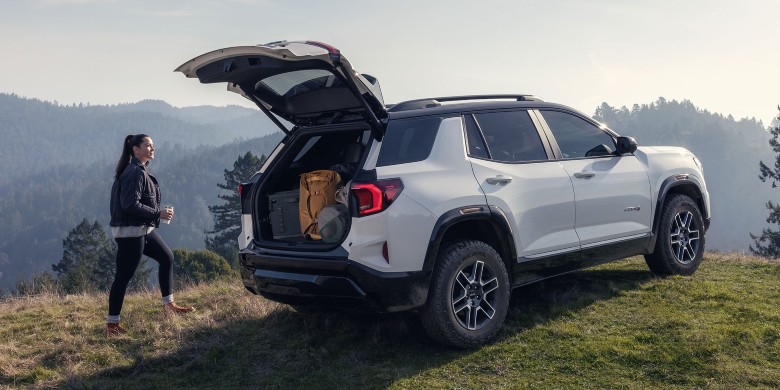
Not Sure Which Drivetrain You Need?
Tell us about your usual driving routine and the road or trail conditions you deal with, and our team will help you land on the right drivetrain and model.
Frequently Asked Questions
What's the difference between AWD and 4WD?
AWD sends power to all four wheels continuously and adjusts automatically, while 4WD is manually activated for extra traction in mud, dirt, or off-road conditions and most vehicles run in 2WD the rest of the time.
Is front-wheel drive or rear-wheel drive better?
Front-wheel drive is more fuel-efficient and easier to control day to day, while rear-wheel drive offers a bit more power and easier control in slippery conditions, though tires wear differently on each.
Does AWD hurt gas mileage?
Yes, slightly — AWD systems are heavier and more complex than 2WD, which can lower fuel economy and raise repair costs, though the added traction can help prevent costly accidents in rain or ice.
Do I need 4WD if I don't go off-road?
Probably not — most drivers who stick to paved roads don't need 4WD, and sticking with 2WD mode when it's not needed saves the most fuel.
What GMC models offer AWD or 4WD?
GMC of Madras carries a wide selection of trucks and SUVs with these drivetrains, including the compact Terrain SUV, the electric Hummer EV, and the full-sized Yukon.